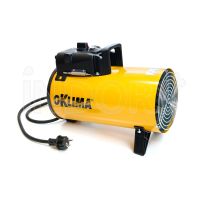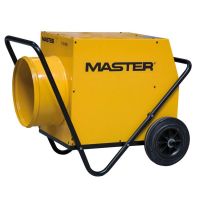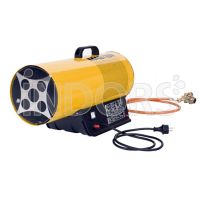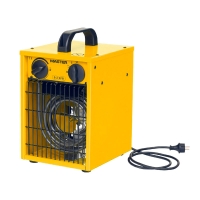
Supply
Use
Type
Combustion
infowithout smoke exhaust infoWith Fume Exhaust
Installation
Brand
Price
Optional
Thermal Power
Flow Rate

Hot Air Generators and Industrial Heaters: Buying Guide

Hot air generators are essential machines during the winter months to meet the need for heating industrial environments, warehouses, workshops, construction sites, agricultural greenhouses, and livestock farms.

These heaters produce heat derived from combustion and can be mainly of 3 types: diesel, gas, and electric hot air generators and/or heaters. In this buying guide, we will look at the various types of generators and hot air heaters, and then guide you in choosing the machine that best suits your heating needs.

Combustion Types in a Hot Air Generator

Among the types of hot air generators, also called heating cannons or industrial stoves, we have:

  • Diesel Heaters:
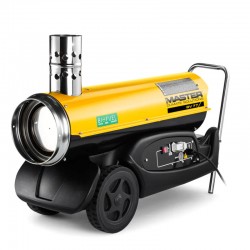
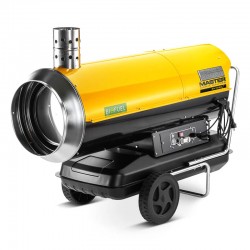
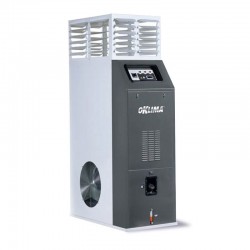
    powered by diesel, these heaters are used for heating large spaces and industrial environments. Hot air cannons should be used in ventilated areas with air recirculation and cannot be used in enclosed spaces as they produce harmful exhaust gases. A gas hot air generator generally has low operating costs and excellent heating efficiency. Among gas heaters, there are two types: direct and indirect combustion:
    - Direct combustion: the burned gas directly heats the air that is released into the environment. A direct combustion hot air cannon emits fumes and combustion residues, therefore it is only suitable for open or well-ventilated spaces.
    - Indirect combustion: in this case, the combustion process is separated as the fumes are conveyed outside via an exhaust, while clean hot air is released into the environment. These heating stoves are ideal for enclosed spaces where avoiding fume contamination is necessary, ensuring safe, emission-free hot air.
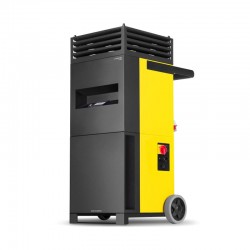
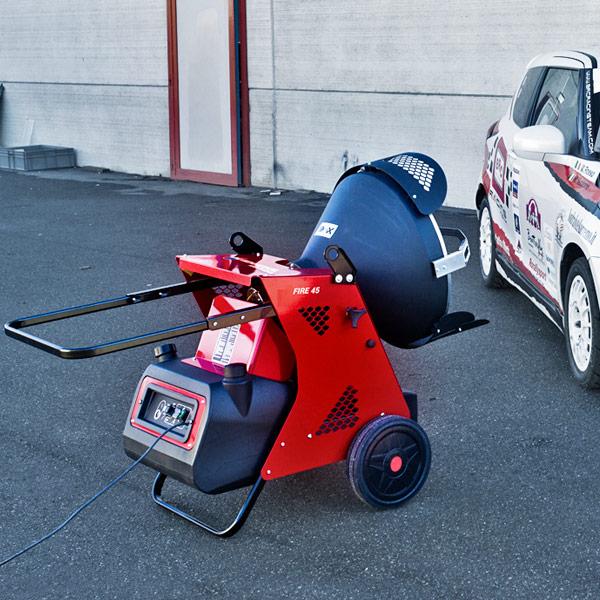
industrial diesel hot air generator for large spaces
  • Gas Heaters:
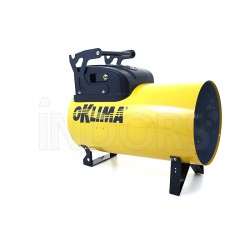
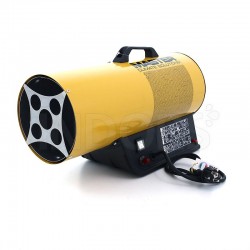
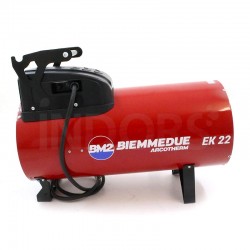
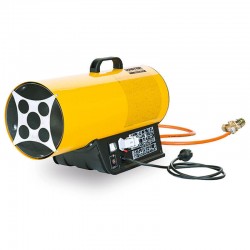
    they are divided into LPG or methane heaters and are used to heat large open and ventilated spaces such as warehouses, storage facilities, greenhouses, construction sites where powerful and effective heating is needed quickly. There are 2 types of gas heating cannons:
    - LPG Heater: operates with liquid propane gas, which is stored in cylinders or portable tanks. This feature makes LPG suitable for use in remote areas or where there is no gas distribution network, such as construction sites or outdoor spaces. It is versatile and easy to transport. It has a higher heating power than methane.
    - Methane Heater: is connected directly to the gas distribution network. It is ideal for applications in fixed environments where natural gas is easily accessible. It is more economical in the long term compared to LPG, but requires a fixed infrastructure. It does not require a storage tank like LPG.
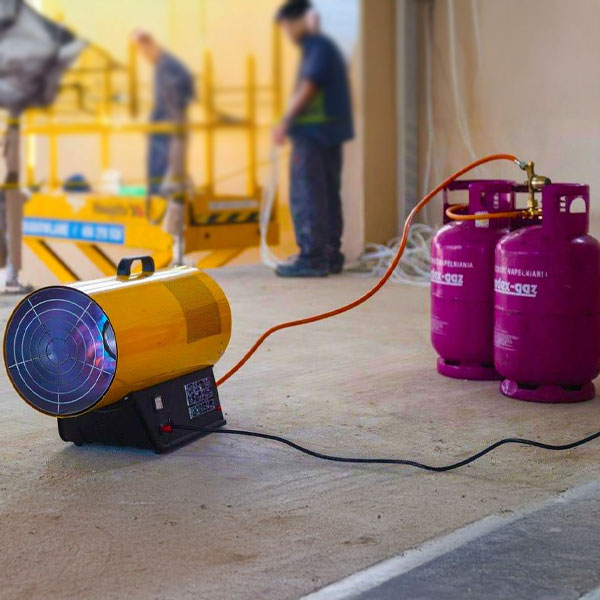
propane and methane gas heater for industrial heating
  • Electric Heaters:
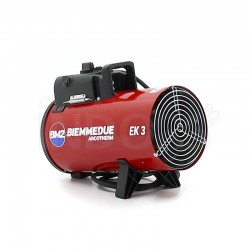
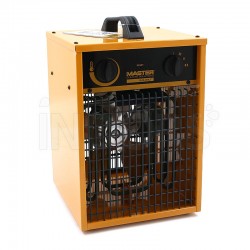
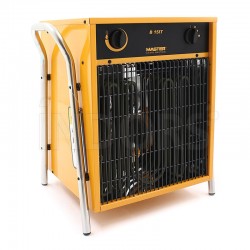
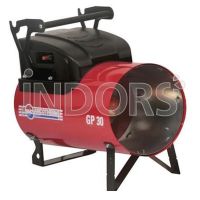
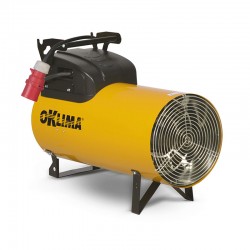
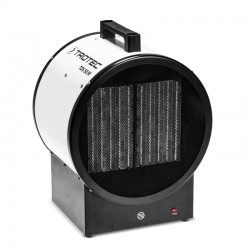
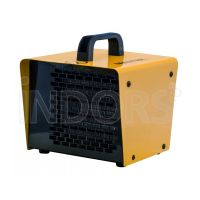
    they are simple heating systems that connect to the single-phase 230V or three-phase 400V electrical grid. They are not equipped with a burner, therefore they can be used in environments where open flames cannot be used. Heat is generated through steel resistances and then pushed into the airflow of the fan.
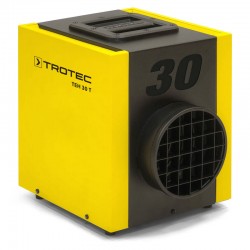
electric industrial heater for enclosed safe spaces

Areas of Use

Among the uses of a hot air cannon are:

  • Industrial use:
    For environments without central heating such as warehouses and factories, it is advisable to opt for high-power industrial heaters, capable of operating even at low temperatures. Besides heating, these models are ideal for speeding up the drying of paints and concrete or for recovering flooded buildings. In agriculture, they are useful for maintaining an optimal climate in greenhouses and increasing animal welfare in livestock farms.
  • Construction sector use:
    For the construction sector, the use of resistant, manageable, and easily transportable heaters, often diesel or gas, is recommended. These models, equipped with wheels and handles, are suitable for working effectively even in difficult conditions, such as construction sites or temporary structures. They are useful for heating environments and accelerating the drying of cement and paints, while keeping operating costs low.
  • Laboratory and garage use:
    For laboratories, workshops, and small workspaces, it is advisable to use compact, easy-to-install heaters with reduced power but suitable for fast and inexpensive heating. These models are perfect for seasonal use, adapting to the specific needs of the activities.
  • Event use:
    For events and temporary installations, where other heating systems would not be practical, the best choice is mobile heaters, easy to install and quick to activate. They are ideal for heating the environment both during the setup phase and during the event, guaranteeing comfort with no waiting times.
  • Emergency or Military use:
    In emergency situations or natural disasters, it is essential to choose professional heaters, capable of quickly heating shelters and flooded environments, intervening promptly. These models provide immediate and reliable support, allowing timely action in critical conditions.
  • Agriculture and Livestock use:
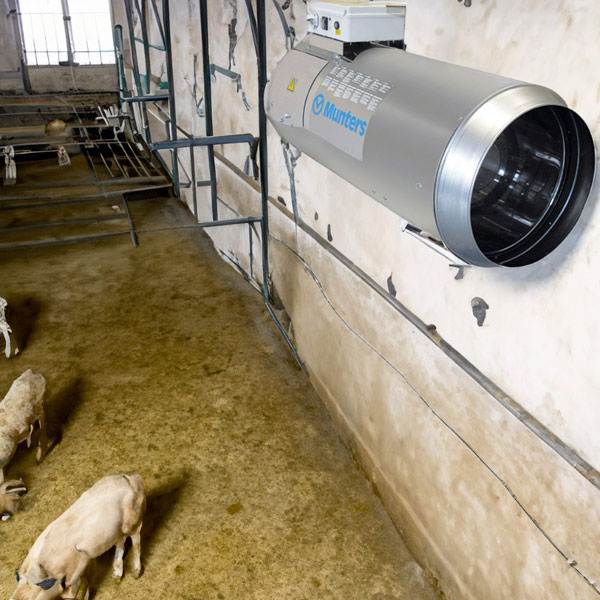
    For agricultural and livestock needs, the use of mobile heaters designed for environments such as greenhouses and farms is recommended, where maintaining a constant temperature is essential and costs must remain contained. It is ideal to choose models with ceiling or floor mounting options, often available with an integrated or separate burner. A separate burner is suggested for environments subject to dust, gas, and humidity, as it can be connected to an external air intake, ensuring clean air and protection from corrosion. In environments such as livestock farms, where disinfectants and detergents are common, a high-quality heater designed to resist toxic gases and ammonia is particularly recommended for long life and maximum safety.

How to calculate thermal requirements


industrial heater applications in agriculture and construction

Fixed Industrial Heating Systems

Heating systems for production environments are designed to generate large volumes of hot air, distributing heat evenly within the workspace. The choice of the most suitable system – between fixed heaters in the center of the operating area with direct hot air emission or solutions with ducted air – depends on various factors: required power, size and type of environment, sound pressure level, and required airflow control. "Hot air cannons" represent an optimal solution for distributed and versatile heating, particularly in cases of heating for work environments, where indirect heating machines are preferable since they discharge combustion residues outside. For heating greenhouses and livestock farms, the use of direct heating heaters is recommended: they maximize fuel efficiency and, thanks to high operating temperatures, emit very few residues. Suspension heaters, equipped with a lifting frame, are ideal for environments with high airflow requirements such as greenhouses, livestock farms, warehouses, and laboratories, and are compatible with diesel, LPG, or natural gas burners.

fixed industrial heating systems for warehouses and greenhouses

Safety Considerations

Among the safety considerations to keep in mind before purchasing an industrial heater are:

  • Overheating Protection: to prevent the heater from overheating, the thermal protection switch turns off the heater if it reaches a certain safety temperature;
  • Cool to the touch: some heaters are designed so that the outer housing remains cool to the touch;
  • Safety distances: it is advisable to follow the manufacturer's instructions regarding safety distances to be kept from walls and ceilings;
  • Electrical requirements: the circuit powering the heater must be capable of carrying the amperage and voltage required by the stove;
  • Do not obstruct openings: do not obstruct the stove openings, exhaust, or any other openings.
  • Shutdown: always turn off the heater and unplug it before any cleaning, moving, or maintenance operation.
safe operation of industrial heater with overheating protection
... read more

Best Sellers