Patio Heaters: Buying Guide
Patio heaters are an excellent solution for heating outdoor spaces during the cold seasons. Often used in bars, restaurants, and gardens, patio heaters help create a warm and comfortable environment even outdoors. Available in different types, mushroom-style patio heaters offer a variety of options to meet specific heating needs and aesthetic tastes.
This buying guide will provide a complete overview of the different types of patio heaters, helping you choose the most suitable heater for your heating needs.
Types of Patio Heaters
There are three main types of patio heaters: gas, electric, and pellet. Each offers specific features, advantages, and disadvantages worth considering before purchasing.
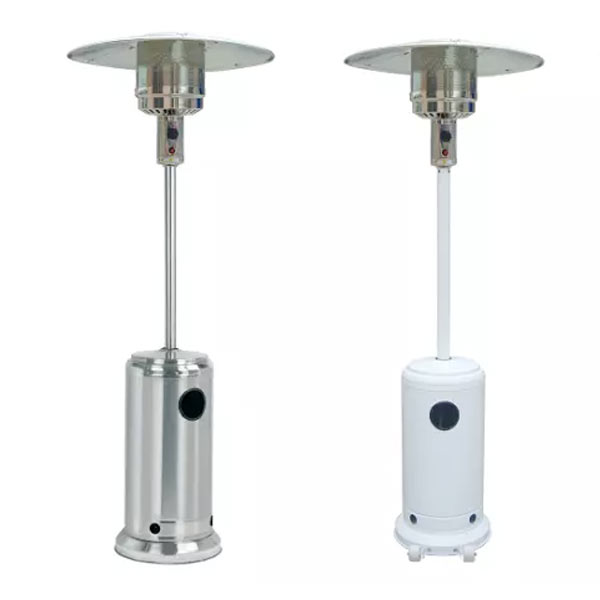
- Gas Patio Heaters:
These are probably the most common, especially in public places like bars and restaurants. These heaters use a flame powered by propane or natural gas to generate heat, which is radiated from the top of the mushroom and spreads into the surrounding area. Powered by LPG or natural gas, these devices are completely autonomous and do not require electrical connections, making them perfect for large outdoor spaces. The heating power is high and can cover a very large area, making them ideal for those who need to heat large outdoor surfaces. One of the main advantages of gas heaters is their ability to generate heat efficiently, covering large areas. However, using gas requires managing cylinders, which need proper maintenance and attention to ensure safety. For this reason, it is important to use these devices outdoors.
There are also types of gas heaters with visible flame. These have an elegant design that allows you to see the flame while the heater is operating. The visible flame not only heats but also adds a welcoming and decorative atmosphere. They usually run on gas and are equipped with safety systems to prevent combustion-related risks.

- Electric Patio Heaters:
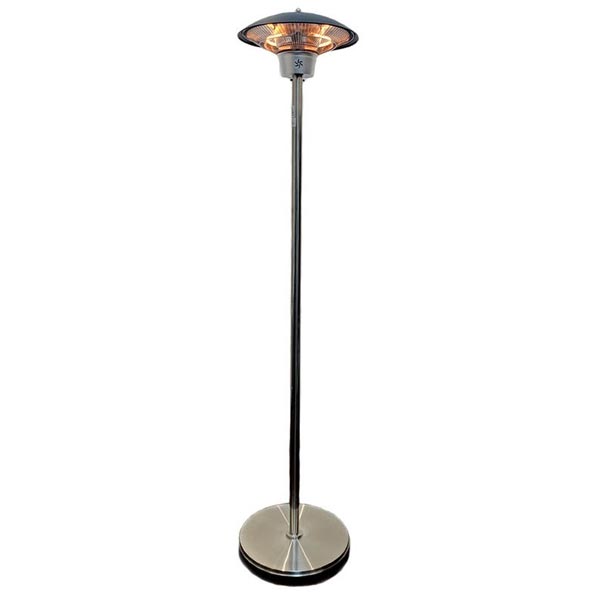
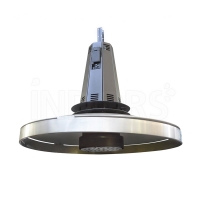
Electric patio heaters, also known as infrared lamps, are a practical and lightweight solution, ideal for those seeking simplicity and maximum safety. They work by connecting to the power grid and heat by radiation: the closer you get, the greater the feeling of warmth. However, they have lower power compared to gas or pellet models, and effectiveness decreases with distance. You also need to consider the cable length and power outlet location. Their strength is ease of use and the absence of fuels, making them safe for indoors and small spaces.

- Pellet Patio Heaters:
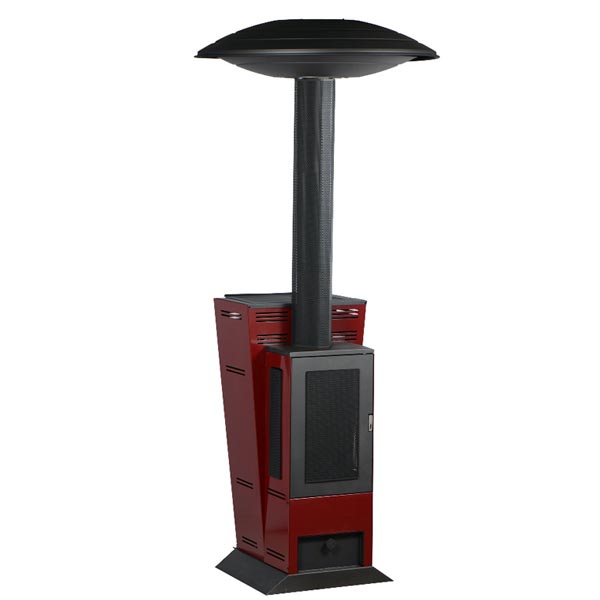
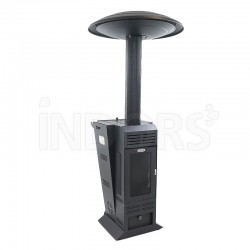
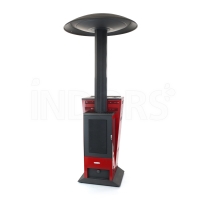
These are an interesting solution for both indoor heating, home heating, and outdoor spaces. Pellet, an eco-friendly and cost-effective fuel, enables powerful yet economical heating. These models are among the most performant in terms of power and heated area, and pellet is one of the most economical fuels, making these devices cost-efficient. Appreciated for their stability and safety, pellet patio heaters have a solid stove structure, making them less prone to tipping over and accidents. However, they require periodic management of pellets and the tank, as well as careful maintenance to ensure proper operation.

Installation Options
Each type of installation has its own advantages, allowing you to choose the best solution for your available space and heating needs.
Among the different installation options for patio heaters are:
- Floor-Standing Patio Heaters:
This is the most common model, which can be powered by gas or electricity. It features a tall structure with a stable base that sits directly on the ground. It is particularly suitable for terraces, gardens, and outdoor areas in restaurants and bars. The advantage of this model is its portability: it can be easily moved and positioned in various spots as needed. Furthermore, it covers a large heating area and often comes with power regulators to adapt to different weather conditions. - Ceiling or Wall-Mounted Patio Heaters:
A ceiling or wall-mounted patio heater works through a heat radiation system, often powered by gas or electricity. It is designed to be fixed high up, spreading heat from top to bottom, uniformly heating the area below. This type of device is ideal for outdoor spaces like terraces or porches where ground-level heating might not be possible or efficient. The heat is distributed via a reflector that directs thermal rays toward people. It is a discreet and safe solution that does not reduce floor space.

Features of Patio Heaters
Below is a list of the main features to consider when purchasing a patio heater:
- Heated surface area:
The power of the heater determines the heated surface area, expressed in square meters (m²). Therefore, it is important to evaluate the area to be heated and the heater's range, i.e., its ability to radiate heat, in order to choose a heater adequate for the square footage to be heated. - Heat emission:
Horizontal emission can be affected by wind, reducing effectiveness. Vertical emission ensures greater stability and heat distribution. - Reflector:
A large reflector improves comfort by directing heat more precisely. There are also tiltable reflectors, which allow you to adjust the radiation as needed. - Remote control:
Patio heaters with remote control offer the convenience of turning on, off, and adjusting heat power from a distance. They are ideal for outdoor spaces where you need to quickly change heat intensity without having to physically approach the heater. - Stability and footprint:
To be evaluated if the patio heater needs to be placed in small spaces. It is advisable to choose sturdy models to prevent tipping. - Power regulator:
Allows you to adjust heat intensity, enabling energy savings and adapting the heater to weather conditions. - Power:
You need to evaluate the heater's kW to choose the appropriate model. 10 kW heaters are suitable for heating smaller areas, while models between 10-15 kW are ideal for heating larger terraces or gardens. Restaurant owners looking for a heater to heat their outdoor restaurant or dehor can consider models over 15 kW. - Autonomy:
For gas heaters, autonomy is linked to fuel consumption and cylinder capacity. A 12-14 L cylinder is common. - Regulations:
Heaters must have CE marking. Gas heaters must comply with directive 2009/142/EC, while electric heaters must be protected against rain and water splashes (IPX4).

Safe Usage Tips
It is important to know some essential guidelines to use patio heaters effectively and safely.
- CE Mark:
Check that the appliance has the CE mark, which certifies compliance with European safety regulations. - Position gas heaters in ventilated areas:
Gas patio heaters must be used outdoors, in well-ventilated areas, away from boilers or cylinders, to prevent risks of explosions or poisoning. They should not be placed in basements or enclosed spaces. - Do not use in enclosed spaces:
LPG models must not be used in enclosed spaces to avoid dangerous carbon monoxide emissions. There are electric models designed for indoor use, but it is important to differentiate the types and respect the context of use. - Permits for public establishments:
In restaurants and pubs, it is necessary to obtain permits from local authorities to install gas patio heaters. Inspections ensure compliance with safety regulations. - Warning labels:
Gas models must bear the label "Using this appliance in enclosed spaces can be dangerous and is prohibited." - Safety for electric heaters:
Electric patio heaters are safer for home use and in small enclosed spaces, but must be placed in dry areas protected from water to avoid short circuits.
Please remember that regular maintenance checks are essential, and devices should be stored in safe, dry places. By following these precautions, you can use patio heaters safely, ensuring comfort in outdoor spaces.