Forestry Mowers: Buying Guide

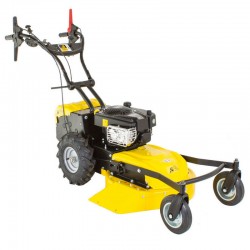
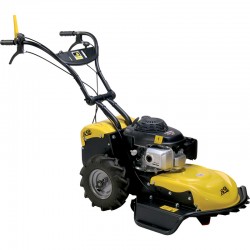
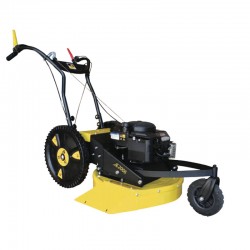
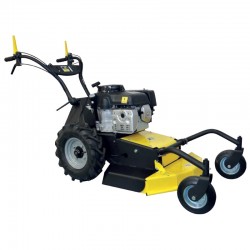
A brush cutter or Forestry Mowers is a gardening tool designed to cut tall grass, brambles, shrubs and wild vegetation in areas difficult to reach with a traditional lawn mower. Generally more compact than a traditional mower, the brush cutter is designed to handle more complex cutting than normal lawns and gardens.
The brush cutter is used to cut grass on slopes, ditches and uneven areas as well as to eliminate brambles, undergrowth and small shrubs. Using a brush cutter or clearing saw helps keep roadsides, fields and abandoned gardens clean and prepares the ground before using a lawn mower.

How to choose the right Forestry Mowers

When you're about to buy a brush cutter or clearing saw, it's essential to analyze the following characteristics to choose the model that suits your specific needs.

  • POWER TYPE:
    - Electric (corded or battery): Light and quiet, perfect for small gardens.
    - Gas-powered: More powerful, suitable for large areas and resistant vegetation.
  • CUTTING WIDTH:
    - 30-50 cm: Ideal for small gardens.
    - Over 60 cm: Recommended for fields and uncultivated land.
  • POWER AND PERFORMANCE:
    - 25cc to 50cc engines: For tall grass and small brambles.
    - Over 50cc: for thick shrubs, larger brambles and small trees.
  • CUTTING SYSTEM:
    - Rotary blade: For grass and soft vegetation.
    - Steel blade disc: For branches and hard shrubs.
    - String trimmer head: For precision work.
work helmets

Wheels: how to choose

Wheels are a fundamental component in brush cutters, as they affect the tool's stability, maneuverability and durability. Here's a guide to understand which to choose:

Pneumatic Wheels

Advantages:

  • Ideal for uneven and soft terrain (lawns with holes, slopes, rough ground)
  • Better absorb vibrations, reducing fatigue during use
  • Quieter than steel wheels
  • Less damaging to the lawn (if properly inflated)

Disadvantages:

  • Can get punctured if used on rocks or sharp branches
  • Require more maintenance (pressure checks)

Steel Wheels

Advantages:

  • Resistant to impacts and cuts (ideal for terrain with stones, brambles and debris)
  • Zero maintenance (no inflation, no puncture risk)
  • More stable on hard surfaces (asphalt, gravel)

Disadvantages:

  • Transmit more vibrations to the operator
  • Can damage the lawn if used on tender grass
  • Louder than rubber wheels
safety helmets
... read more

There are 8 products.

Showing 1-8 of 8 item(s)

Active filters

Back to top