The choice of a dry ice blasting machine depends mainly on the type of application, the frequency of use and the characteristics of the available compressed air system.
Dry ice cleaning machines use CO₂ pellets accelerated by a stream of compressed air to remove dirt, grease, residue, paint, glue, and other contaminants from a variety of surfaces and components.
How does dry ice blasting work?
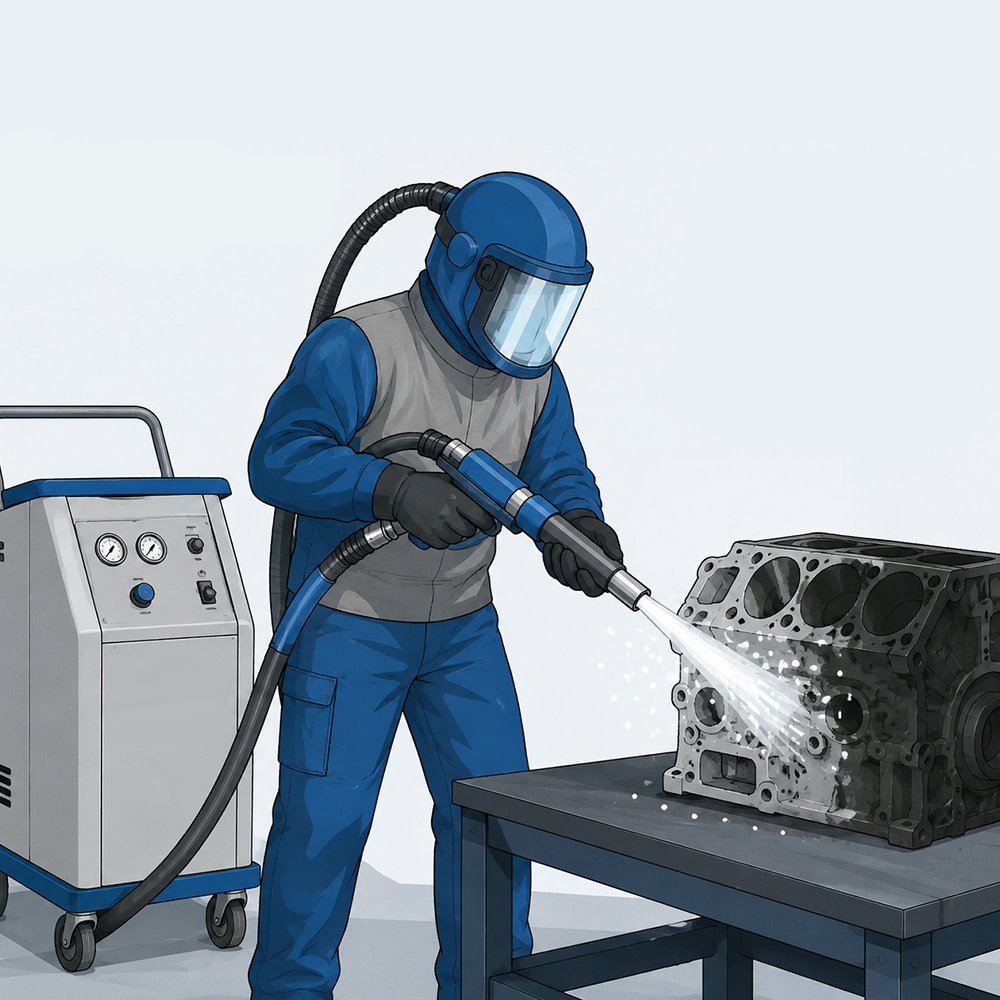
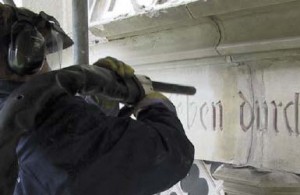
Cryogenic blasting , also called dry ice blasting or dry ice cleaning , uses pellets of solid carbon dioxide blasted onto the surface by a stream of compressed air.
Upon impact, the combination of the jet's energy and the thermal difference helps detach the contaminant from the surface. The dry ice sublimates, changing from a solid to a gaseous state, without leaving behind the abrasive residue typical of sand, grit, or other materials used in conventional sandblasting.
Cryogenic cleaning is particularly interesting when you want to carry out a dry treatment, without using water and without introducing additional abrasive material onto the surface.
Advantages of Cryogenic Cleaning
Dry ice cleaning is used in many industrial applications due to the process's characteristics. Among the main advantages are:
dry cleaning, without using water
absence of a secondary abrasive such as sand or grit
possibility of reducing drying times
possibility of working on machinery and components without necessarily having to use chemical products
wide versatility thanks to the availability of different nozzles and configurations
possibility of using the system in numerous industrial and maintenance applications
What You Need to Get Started
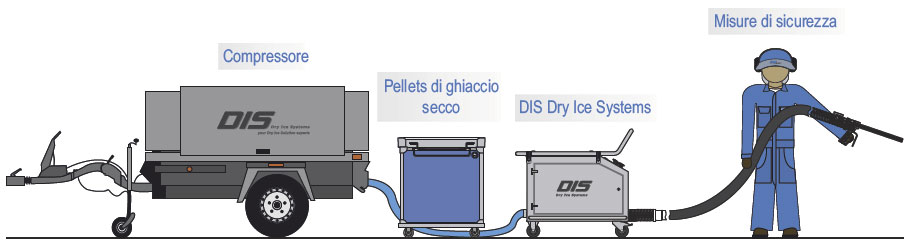
To start using a Cryogenic Sandblaster you need to have:
Compressor starting from 1.5 m³/min and 6 bar fixed or mobile
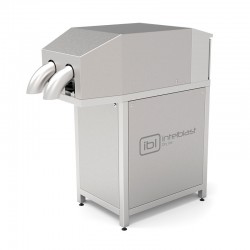
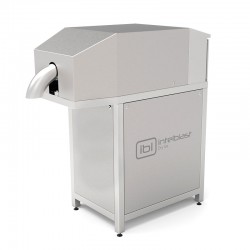
DIS Dry Ice System
Cryogenic Sandblaster
3mm dry ice pellets
Produced by DIS pelletizer or available from gas suppliers
ISO BOX for storing dry ice pellets
Evaluation Elements for Choice
Surface Type and Application
The first thing to consider is what needs to be cleaned . A machine used for occasional maintenance of small components has different needs than a sandblaster intended for frequent cleaning of machinery, molds, or industrial plants.
Cryogenic cleaning finds application in numerous sectors, including mechanical engineering, automotive, plastic and rubber molding, industrial maintenance, food production, printing, and specialized manufacturing.
Compressed air pressure and flow rate
Adjustable pressure allows you to adapt the jet to different applications, while increased air availability can help speed up cleaning. However, the compressor must be sized based on the machine's features and intended use.
For this reason, when choosing a dry ice blasting machine, it is advisable to consider the entire system: machine, compressor, pipes and nozzles.
Dry ice consumption and tank capacity
Dry ice pellet consumption is also an important parameter. A compact machine may be suitable for localized interventions and lower consumption, while for intensive jobs it may be necessary to have a greater load capacity and higher productivity.
It is therefore useful to evaluate:
dry ice consumption
tank capacity
average duration of interventions
frequency of use
ease of supplying pellets
FAQ: Frequently Asked Questions
What compressor do you need for a dry ice sandblaster?
It depends on the model and application. It's important to check the pressure and, above all, the air flow required by the machine, ensuring the compressor can deliver the required performance during use.
Does cryogenic blasting use water?
No. The process uses dry ice pellets and compressed air, making the treatment a dry cleaning solution.
Is cryogenic blasting abrasive?
Dry ice is not a traditional abrasive like sand or grit. However, its compatibility with the surface always depends on the material, contaminant, pressure, and configuration used.
Examples of Use
Automobile Manufacturing Automakers have made dry ice cleaning a permanent part of the manufacturing process.
Chemical Industry Containers, belt systems, dosing systems or mixers can be easily cleaned of bitumen, adhesive resins and other substances.
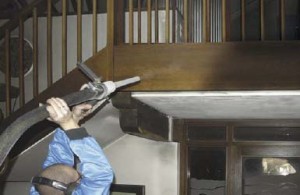
Remediation after fires Dry ice blasting is particularly suitable for buildings damaged during a fire, which, if not completely destroyed, can still be repaired. This is why dry ice blasting is increasingly being mandated by insurance companies.
Cleaning of Air Conditioner and Kitchen Exhaust Fan Ducts From a hygiene standpoint, simply keeping filters intact isn't enough. Dirt deposited in pipes is a veritable breeding ground for pathogens and parasites that then spread into the air.
Synthetic Materials Industry Effective removal of release agents and residues without heating or chemicals. Cleaning of plastic extruders, parts, and molds.
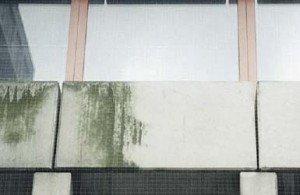
Facade Cleaning Cryogenic cleaning of facades with dry ice makes sense if you need to clean a building very quickly without erecting scaffolding and without using water.
Cryogenic Cleaning in Foundries In foundries, molds need to be cleaned at regular intervals. Thanks to dry ice blasting, mold disassembly, cooling, and reheating are no longer necessary. This significantly reduces downtime and the costs of mold preparation and waste disposal.
Automotive Sector Dry ice blasting is used in the automotive industry to clean engines, gearboxes, rims, car interiors, etc.
Pipe Cleaning The areas of application in this case refer mainly to small pipes, such as production lines in the DN 12 and DN 200 sectors. Thanks to cryogenic cleaning, the economic advantages are truly significant.
Tire Production With cryogenic cleaning, vulcanization residues (rubber) are removed from the mold in just 10 minutes without damaging it. This saves 500% time.
Paper Processing Machinery Thanks to dry ice blasting, cellulose and grease can be removed from partially painted steel and copper pipes in about 3 minutes without damaging the treated surfaces. This saves 500% of time.
Packaging Machines With cryogenic cleaning, glue, paper dust, and grease are removed from aluminum surfaces and pneumatic lines in just 3 minutes without damaging them. This saves 300% time.
Printing Machines With dry ice blasting, printing inks and grease are removed from print rollers and other components in about 30 minutes without damaging them. This saves 500% time.
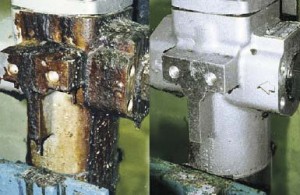
Valves for Polyurethane Foam Systems Cryogenic cleaning removes resins and adhesives from valves in about 1 minute without damaging them. This saves 500% time.
Welding Robots Cryogenic cleaning removes smoke, welding spots, and combustion residues from painted and unpainted surfaces in about 5 minutes without damaging them. This saves 1000% time.
Painting Equipment With dry ice blasting, two-component paints are removed from steel frames in about 5 minutes. This saves 300% of time.
Credit Card Production Machinery With dry ice blasting, plastic, screen printing inks, and grease are removed from the printing rollers in about 10 minutes without damaging them. This saves 500% time.
Welding Pliers Cryogenic cleaning removes scale from copper, rubber, and aluminum surfaces in about 10-15 minutes without damaging them. This saves 500% of your time.
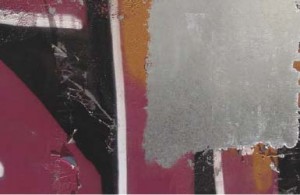
Graffiti With cryogenic cleaning, acrylic graffiti paints are removed from aluminum surfaces in about 2 minutes per square meter without damaging the surface.
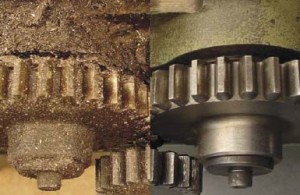
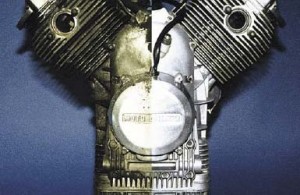
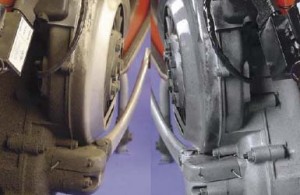
Engines With cryogenic cleaning, oils and greases are removed from engines in about 15 minutes, without damaging the treated parts.
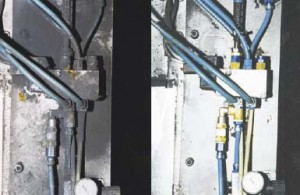
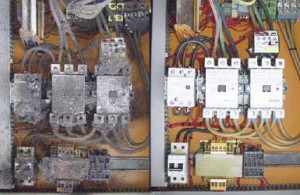
Cleaning of Electrical Panels With cryogenic cleaning, dust, dirt, soot and oil particles are removed from electrical conductors, relays and synthetic materials in about 15 minutes without damaging the treated surfaces.
Facade Cleaning In just about 1 minute per square meter, cryogenic cleaning eliminates moss, scale and environmental damage from concrete.
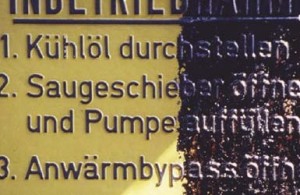
Petrochemical Industry In about 30 seconds, the bitumen present on painted sheet metal signs is removed. A 500% time saving.
Engine Cleaning Oil, grease and environmental dirt are completely eliminated in about 3 minutes, making the engine practically new again.
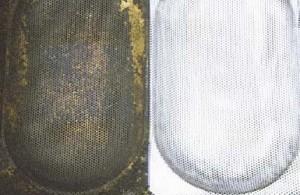
Cleaning Baking Trays In about 2 minutes the combustion residues are swept away from the stainless steel.
Areas of Application of Cryogenic Cleaning
Aerospace: landing gear components, aircraft parts, engines, electronic components, and the like
Shoe factories: removing release agents from molds
Carpentry: cleaning in all production departments
Construction: cleaning of facades, maintenance of monuments, cleaning of fountains and similar
Government agencies: electricity companies, thermoelectric power plants, generators, escalators, chewing gum removal
Foundries: Removal of release agents and adhesives
Forge: Removal of release agents and adhesives
Oil & Gas Groups and Refineries: Cleaning of tanks, pipe systems and tubing
Interior Painting: Wall Degreasing, Paint Removal
Automotive Industry / Ancillaries: removal of release agents, welding residues, cleaning of grease and paint residues, cleaning of conveyor belts
Chemical Industry / Semiconductor Industry: immersion baths, systems of all kinds
Ceramic Industry: ceramic die-cast figures, machine parts
Polystyrene Industry: Blocked holes can be cleared immediately
Food Industry: breweries, bakeries, dairies, butchers, slaughterhouses, cleaning of ovens, conveyor belts, tanks, machine parks, malt mixing plants and the entire production sector
Synthetic Materials Industry: mold cleaning, part deburring, and tool cleaning
Electrical Industry: Cleaning of electrical panels, cleaning of transformers, cleaning of chips